



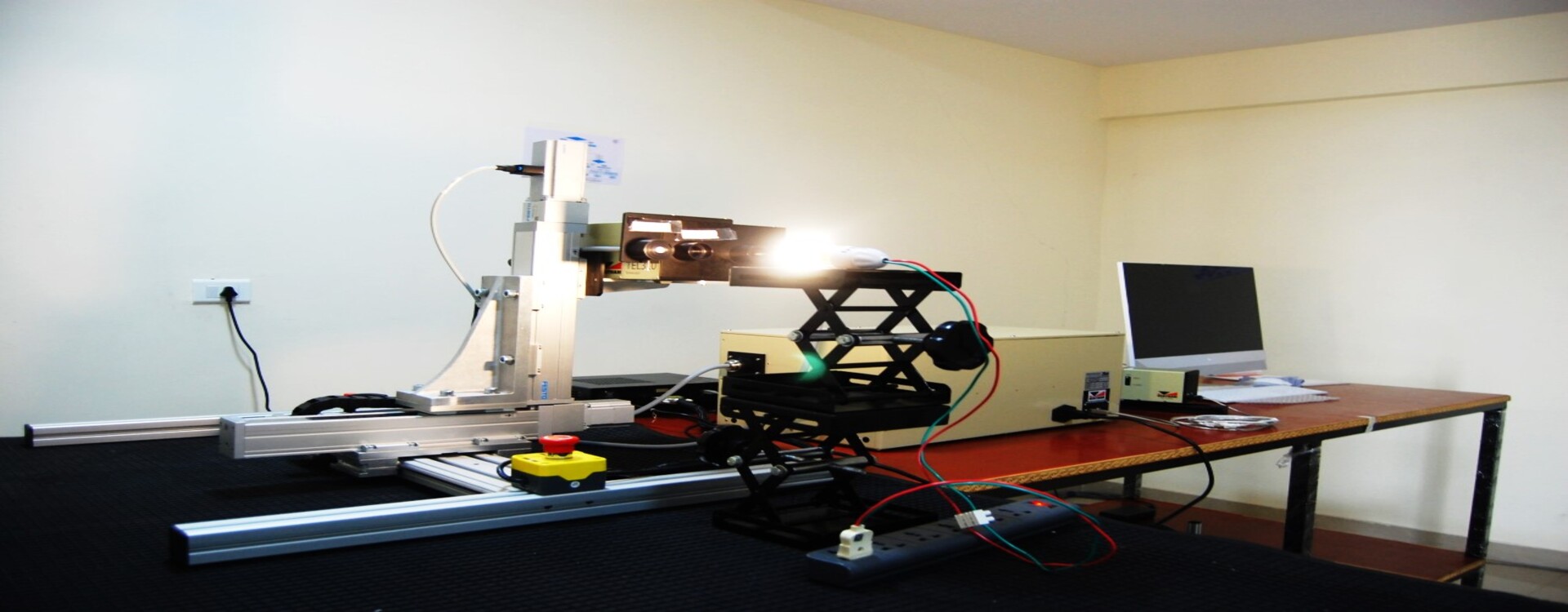
Brief Description about the facility:
The Energy Efficiency and Renewable Energy Division (ERED) at the Central Power Research Institute (CPRI), Bengaluru, is home to India’s first and only dedicated Photobiological Safety Test Laboratory for evaluating the safety of lighting products, especially LED systems. This ISO/IEC 17025-accredited laboratory employs the advanced IDR300-PSL system to conduct photobiological assessments in compliance with both Indian and international standards. The facility offers in-depth safety analysis across ultraviolet (UV), blue light, infrared (IR), and thermal radiation spectrums. Designed as a state-of-the-art, specialized test infrastructure, this laboratory supports manufacturers and regulatory bodies in ensuring product safety for human exposure.
Major Product/Equipment tested with applicable standards :
The Photobiological Test Laboratory at ERED, CPRI, is equipped to test a wide range of lamps and luminaires, particularly LED-based lighting systems, for their compliance with photobiological safety norms. Using the IDR300-PSL measurement system, the facility conducts detailed evaluations as per the following standards:
- IS 16108:2012 / IEC 62471:2006 – Photobiological safety of lamps and lamp systems
- IEC/EN 60598-1 – General requirements and tests for luminaires
- IEC TR 62778 – Assessment of blue light hazard to light source and luminaires
- IEC 62471-5 – Image projectors
- In-house test procedures – For light flicker and other specialized measurements
This facility supports testing for both compliance and research, offering essential certification support for industry stakeholders aiming to meet mandatory safety standards.
Testing Capabilities
We conduct comprehensive evaluations of various photobiological hazards, including:
1. Actinic UV Hazard
- Evaluation of actinic UV radiation exposure to ensure compliance with safety thresholds.
- Classification of risk groups based on measured exposure limits.
2. Near UV Hazard
- Assessment of near-UV radiation to verify safe exposure levels.
- Categorization of lamp systems according to international safety standards.
3. Blue Light Hazard
- Analysis of blue light exposure at different fields of view (FOV) to determine risk levels.
- Identification of potential hazards under specific conditions.
4. Infrared (IR) Eye Hazard
- Testing IR exposure levels for eye safety.
- Compliance verification with international limits.
5. Thermal Skin Hazard
- Measurement of thermal radiation impact on the skin.
- Evaluation of compliance with exposure time thresholds.
6. Retinal Thermal Hazard
- Assessment of retinal thermal exposure at multiple FOVs.
- Classification based on potential risks under varying exposure conditions.
Compliance Assurance
Our testing ensures that lamp systems:
- Adhere to established emission limits for optical radiation safety.
- Fall within safe exposure categories for users under normal conditions.
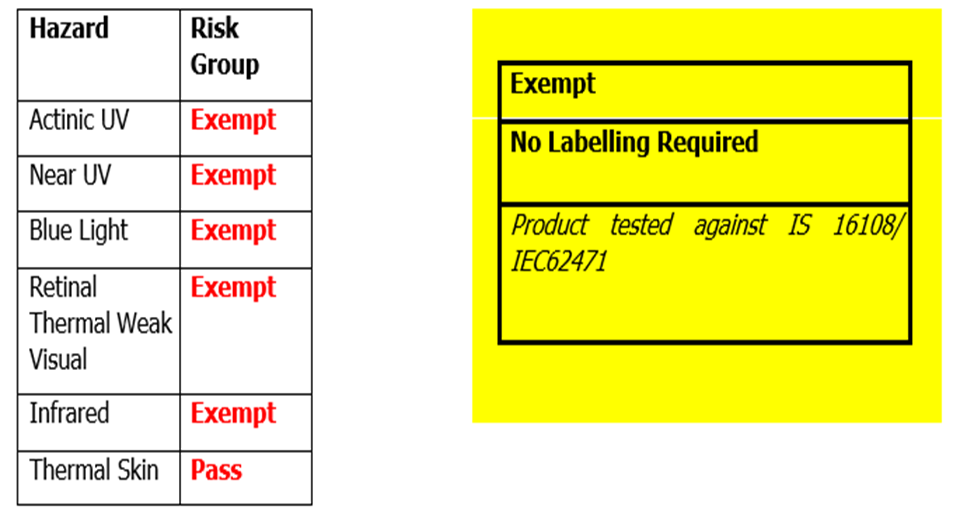
- Meet IEC 62471 risk group classifications for photobiological hazards.
Major tests Carried Out:
- IR LED system with 232 LEDs as per IS 16108: 2012/ IEC 62471: 2006 standard
- Driver monitoring system using IR LEDs as per IS 16108: 2012/ IEC 62471: 2006 standard
- LED streetlight system using chip-on LEDs as per IS 16108: 2012/ IEC 62471: 2006 standard
- Indoor light fixtures as per IS 16108: 2012/ IEC 62471: 2006 standard
- SHYCOCAN (Scalene Hypercharge Corona Canon) as per IS 16108: 2012/ IEC 62471: 2006 standard
Range of the test ratings possible:
- Lamps and Luminaires up to 2000W (unless rating limited by test standard).
- Wavelength range from 200nm to 3000nm
- Lux measurement up to 20000 lx
Maximum rating carried out till date
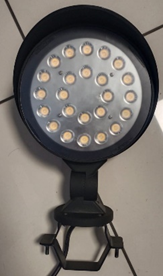
55W LED Lighting Fixture
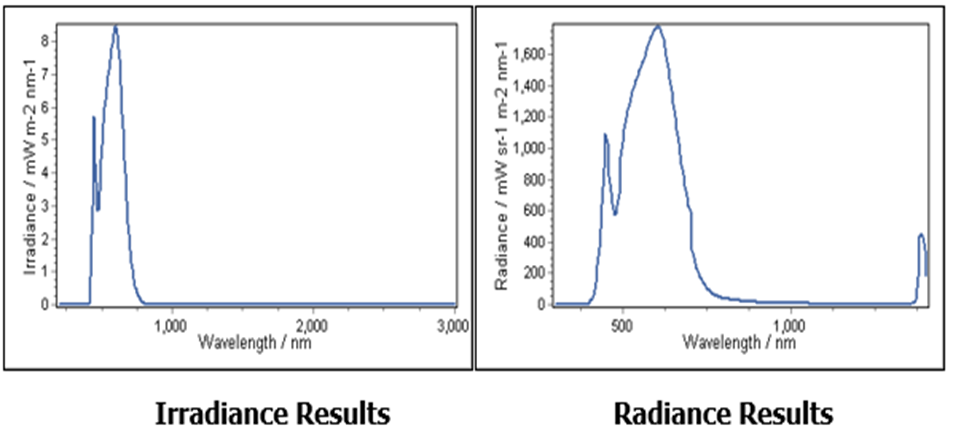
IEC 62471 / IS 16108 Classification and Labelling
 |
Shri. Pandian G,
Joint Director / HOD
Energy Efficiency &
Renewable Energy Division
Phone :+ 080 22072368
Mob: +91 9741836174
Email: gpandian[at]cpri[dot]in / energy[at]cpri[dot]in
Image Gallery
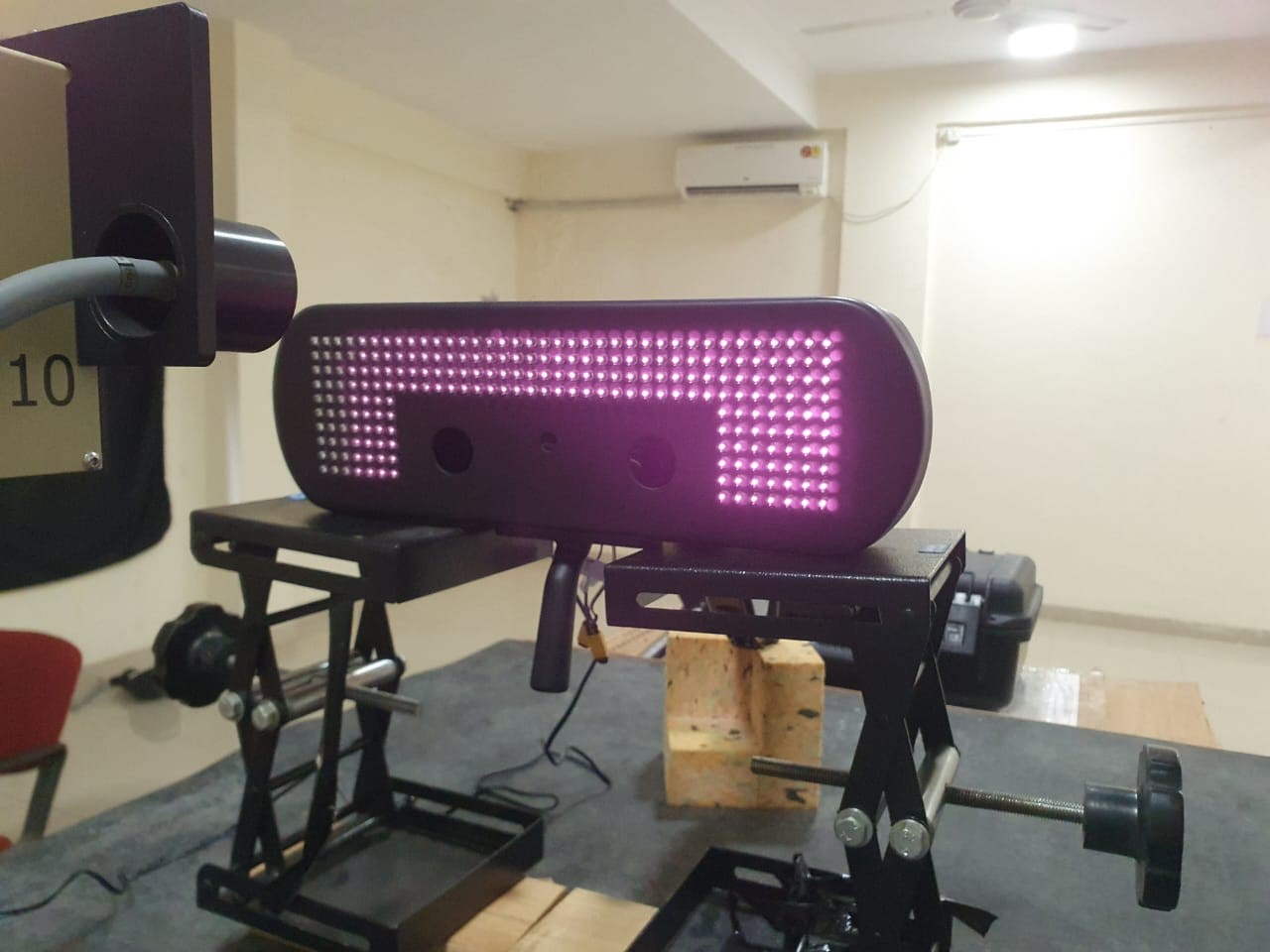
PCB with 232 IR LEDs
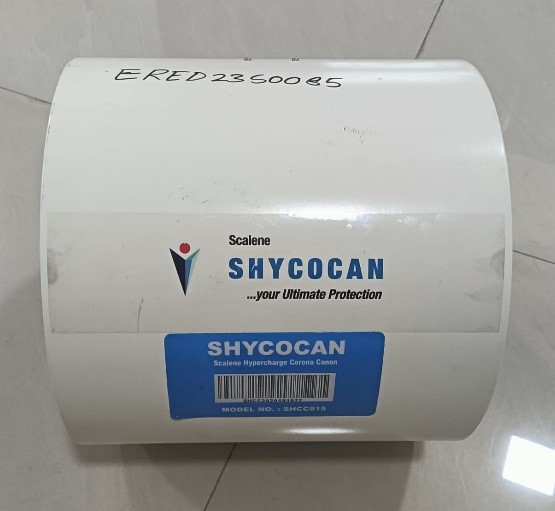
Virus Attenuation Device
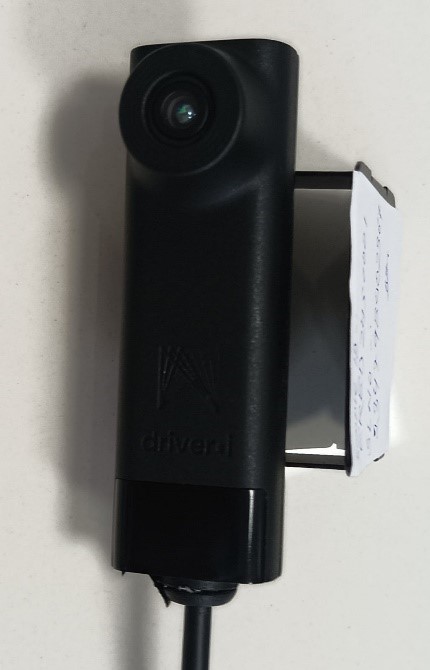
IR emitting monitoring system
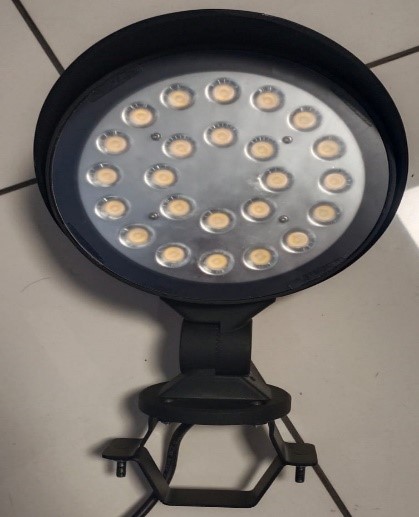
55W LED Light Fixture